
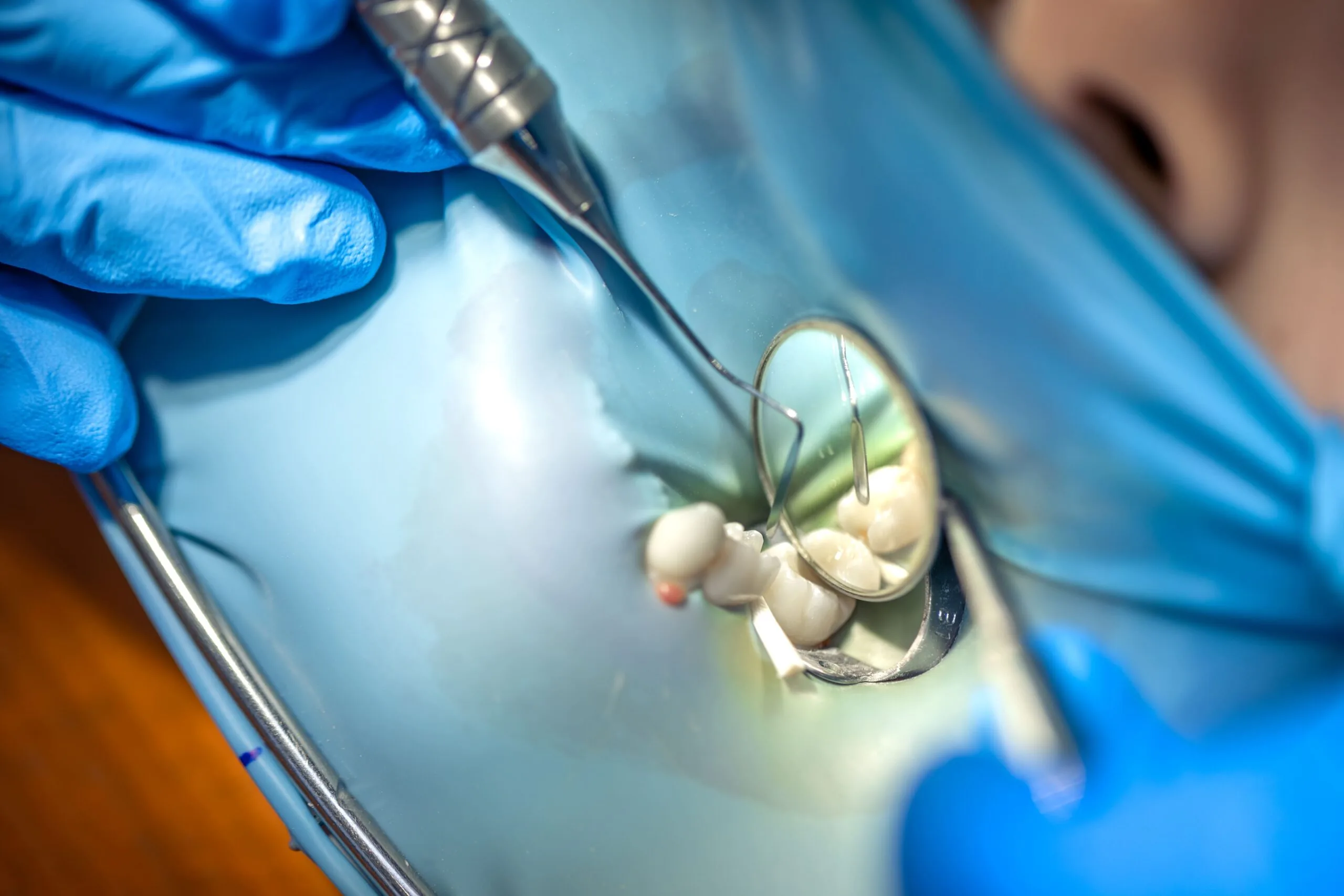
Zirconium crowns at the Veda Stom clinic (Tashkent) represent the pinnacle of modern dental prosthetics, combining biocompatibility with extreme strength. Zirconium dioxide is hypoallergenic and recreates the aesthetics of natural enamel. Depending on the clinical needs, we use monolithic crowns for chewing teeth or multilayer solutions for a perfect smile within the visible zone, guaranteeing durability and comfort for decades.
For a long time, metal-ceramics were considered the "gold standard" of dental prosthetics. However, medicine evolves, and today, metals have been replaced by zirconium dioxide—a high-tech ceramic with unique physical and chemical properties. As a physician at the Veda Stom clinic, I recommend zirconium crowns to patients who are unwilling to compromise between strength and beauty. Given the climate and dietary requirements of a metropolis like Tashkent, this material demonstrates superior durability and stability.
Why is zirconium dioxide replacing metal ceramics?
Zirconium is more than just an aesthetically pleasing material; it's a bioinert compound that the body perceives as its own tissue. Unlike metal-framed crowns, zirconium crowns do not oxidize and do not cause the characteristic darkening of the gum line (the so-called "blue line").
Key advantages of the material:
- Hypoallergenic: Complete absence of risk of allergic reactions to metal.
- Light transmittance: The material transmits light in the same way as natural enamel, which makes the crown “live”.
- Minimum turning: The strength of zirconium allows for the crown walls to be made thin, preserving more of the tooth's own tissue.
- Thermal insulation: Patients in Tashkent often report a lack of sensitivity to hot and cold after the installation of such structures.
- Fit accuracy: The production of crowns using digital milling eliminates human error and gaps.
Types of zirconium structures
At Veda Stom, we select the optimal type of crown depending on the tooth's location and aesthetic requirements. Not all zirconium crowns are created equal—they differ in structure and manufacturing method.
Comparative characteristics of types of zirconium crowns:
| Crown type | Design Features | Main area of application | Aesthetics vs. Durability |
| Monolithic zirconium | Solid block without ceramic layers | Chewing teeth (molars) | Maximum strength, average aesthetics |
| Multi-layer | Color and transparency gradient inside the block | Any area, including the front teeth | The perfect balance of strength and beauty |
| Zirconium with application | Zirconium frame + hand-veneered porcelain | Anterior (front) teeth | Highest aesthetics, risk of ceramic chipping |
Choice for chewing and aesthetic zones
When it comes to chewing teeth, durability is paramount. Monolithic crowns can withstand the enormous forces of chewing without wearing out. For their anterior teeth, Tashkent residents often choose the Multi-layer technology. These crowns initially have a color transition from rich at the neck to translucent at the incisal edge, allowing us to recreate a smile that's indistinguishable from natural.
Installation stages in our clinic:
- Diagnostics: Assessment of the condition of the supporting tooth and surrounding tissues.
- Preparation: Gentle tooth preparation under anesthesia.
- Digital impression: Using scanners to create a virtual model of a future tooth.
- Milling: Manufacturing of a crown using high-precision equipment from a solid block of zirconium.
- Fixation: Installation of the finished structure using special biocompatible cement.
Service life and care instructions
The average lifespan of a properly installed zirconium crown is 15–20 years, and with proper care, it can last a lifetime. Zirconium dioxide has a very smooth surface, which significantly reduces plaque accumulation compared to natural enamel or porcelain-fused-to-metal crowns.
How to extend the life of crowns:
- Maintain regular hygiene: brush your teeth twice a day and use an irrigator.
- Visit Veda Stom for scheduled checkups every six months to monitor your gum health.
- Avoid extreme mechanical stress (do not try to crack nuts or open objects with the crowns).
- Maintain the health of your gums, as the longevity of the crown directly depends on the stability of the supporting tooth.
Zirconium dioxide is a long-term investment in your health and confidence. By choosing modern materials, you avoid the need to redo the work in a few years. We invite you to a consultation to choose the right type of crown that will restore your joy and a flawless smile.