
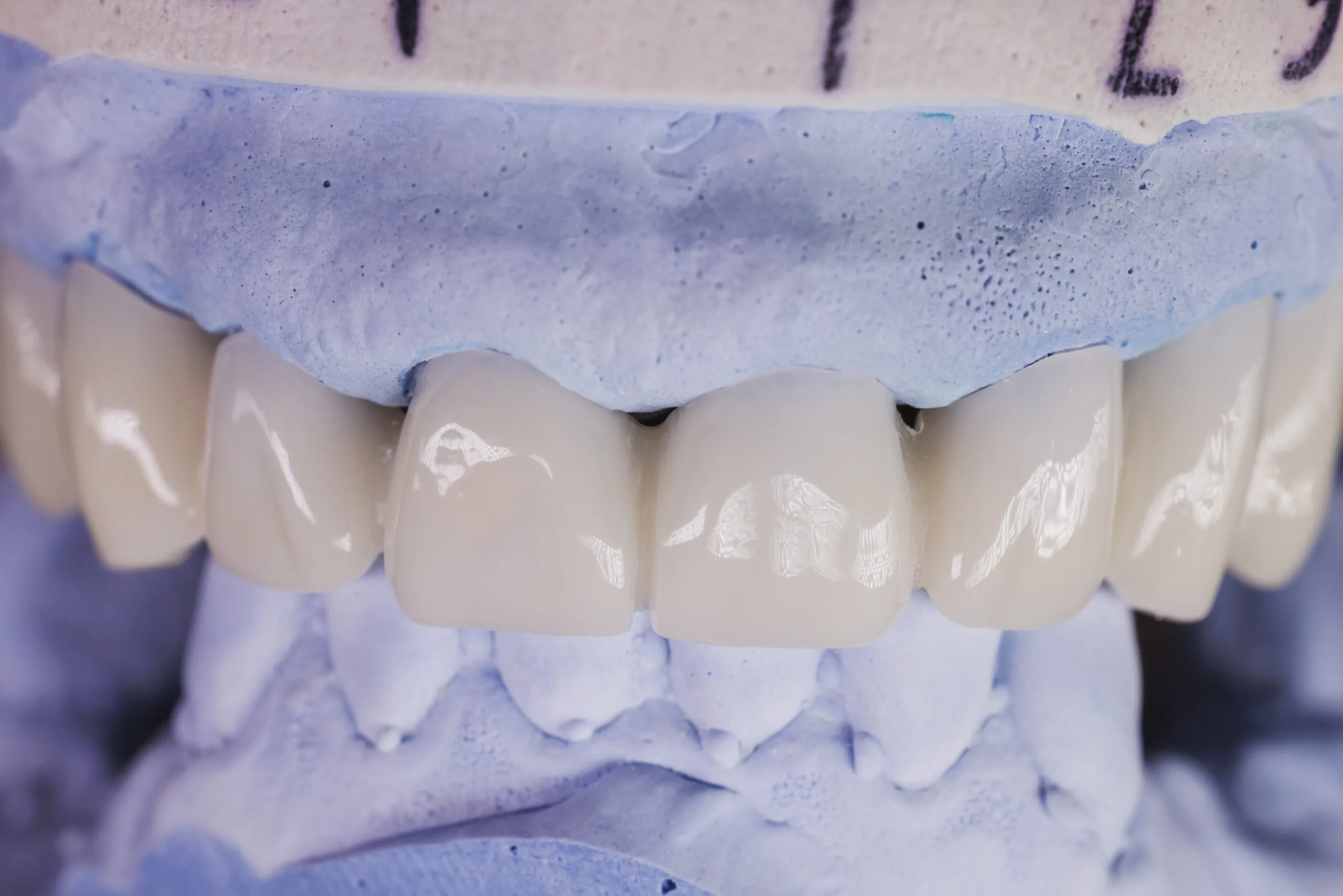
Choosing a crown for a chewing implant requires prioritizing strength and functionality. At Veda Stom (Tashkent), we prefer zirconium dioxide due to its ability to withstand extreme loads and its ideal biocompatibility with the abutment. The correct choice of material and type of fixation ensures the longevity of the restoration, maintains gum health, and fully restores chewing efficiency without the risk of chipping or inflammation.
Implant-supported restorations in the chewing region are a challenge that requires a special engineering approach. Unlike anterior teeth, where enamel translucency and shade are paramount, molars and premolars bear the brunt of the chewing load. As experts at Veda Stom, we understand that the longevity of an implant depends largely on the proper selection and placement of the crown. In Tashkent, where the diet is often rich in hard and fibrous foods and the climate demands the stability of materials, the demands on structures in the chewing region are particularly high.
Why does the chewing area require a special approach?
When chewing, the load on a single tooth can reach 50–70 kg. While a natural tooth has a ligamentous apparatus (periodontium) that absorbs the pressure, an implant is firmly anchored in the bone. This means the crown must perfectly distribute the load and be resistant to microcyclic deformations. An error in the choice of material or fixation method can lead not only to crown fracture but also to damage to the implant itself or the surrounding bone tissue.
Comparison of crown materials for chewing implants:
| Characteristic | Zirconium dioxide (Monolithic) | Metal ceramics | E-max Ceramics |
| Fracture strength | Extreme (up to 1200 MPa) | High | Medium (up to 500 MPa) |
| Biocompatibility | Ideal (does not irritate gums) | Risk of metal allergy | Excellent |
| Precision of fit | Highest (digital protocols) | Medium (hand casting) | High |
| Risk of chipping | Almost absent | Ceramic chipping is possible | Chipping may occur under load. |
| Term of service in Tashkent | 15–20 years and more | 8–10 years | 10–12 years |
Zirconium dioxide is the best choice for implants
In 2026, zirconium dioxide firmly established itself as the benchmark material for implant-supported restorations. In the chewing zone, we most often use monolithic zirconium. Its uniform structure eliminates the risk of ceramic veneer delamination—the most common problem with old crowns. The material boasts exceptional wear resistance, comparable to the hardness of natural enamel, but is much stronger in bending.
Advantages of zirconium crowns on implants:
- Precise fit on the abutment: Thanks to digital milling using CAD/CAM technology, the gap between the crown and the adapter is minimal, which prevents the accumulation of bacteria.
- Soft tissue health: Zirconium is bioinert and does not cause mucosal inflammation. Dense gums form around the implant, eliminating the risk of peri-implantitis.
- Color stability: The material does not absorb food coloring, which is especially important for maintaining aesthetics in the long term.
- Thermal insulation: Zirconium has low thermal conductivity, so patients in Tashkent do not experience discomfort when consuming hot or cold foods.
Screw versus cement fixation
When performing prosthetics in Tashkent, we pay close attention to the method of attaching the crown to the implant. There are two main methods, and the choice often depends on the tooth's position and the depth of the gum pocket.
Types of fixation of crowns on implants:
- Screw fixation: The crown is connected to the abutment in the laboratory and screwed to the implant through a small hole, which is then sealed with composite. This is the safest method, allowing for easy removal of the crown for routine maintenance or replacement.
- Cement fixation: First, an abutment is installed, and then the crown is cemented to it. We use this method less frequently, as excess cement under the gum can cause inflammation.
Digital technology and durability at Veda Stom
A high-quality crown in the chewing area is a reliable investment in the health of the entire dental system. At Veda Stom, we use intraoral scanning, which allows us to create a virtual 3D model of the jaw with micron accuracy. This ensures that the crown fits perfectly into the dental arch, without interfering with the bite or placing excessive pressure on opposing teeth.
Recommendations for the care of chewing crowns:
- Using an irrigator to flush the space between the gum and the crown.
- Use of special interdental brushes to clean contact surfaces.
- Regular professional hygiene every six months to monitor the condition of bone tissue.
The right choice of material, combined with the surgeon's expertise, ensures that your implant will last for decades. We invite you to a consultation to select the ideal design that will restore your enjoyment of nutritious nutrition and complete comfort.