
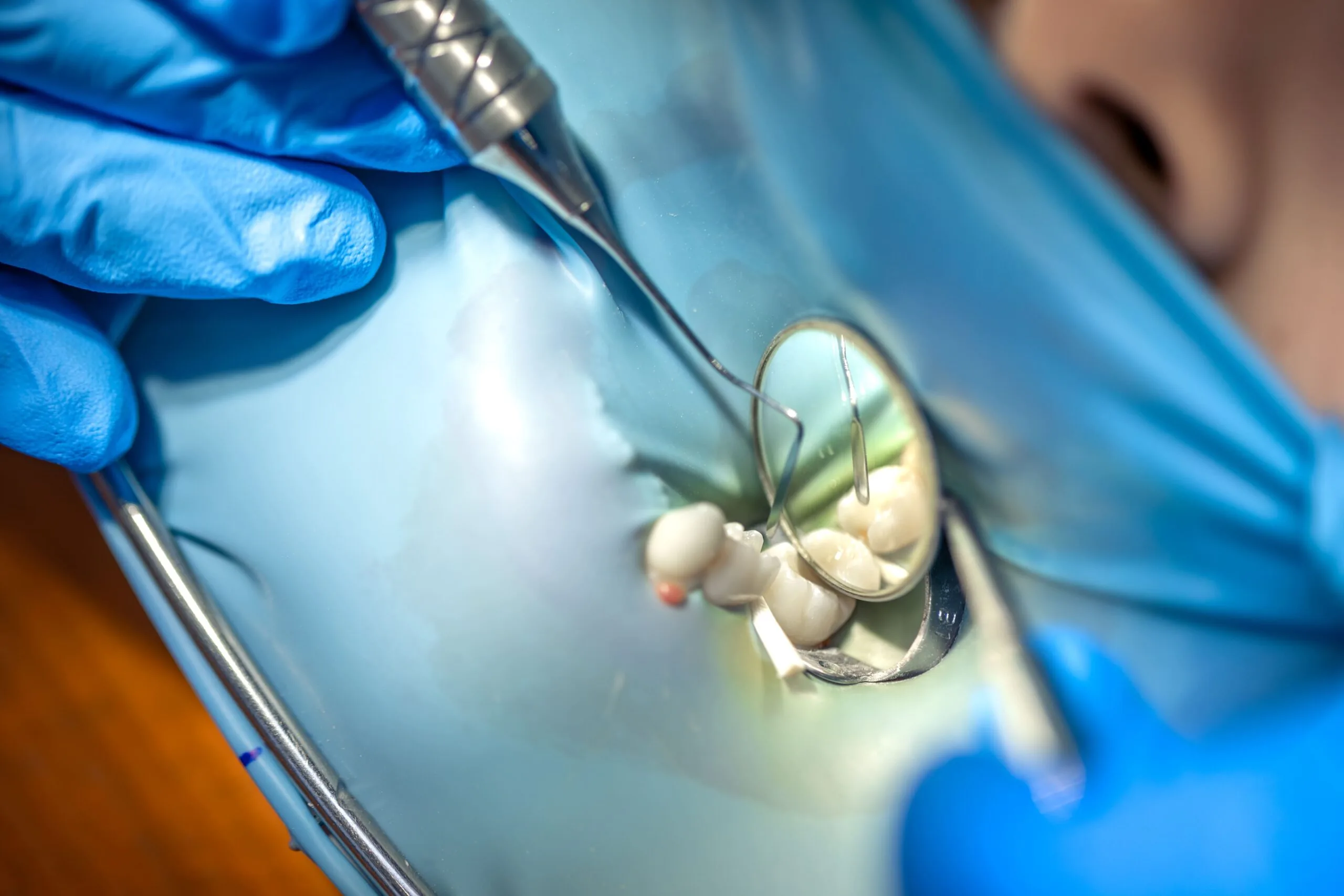
Pulpitis treatment at the Veda Stom clinic (Tashkent) is a high-tech procedure aimed at relieving inflammation of the neurovascular bundle and sealing the root canals. We use modern endodontic techniques and multi-stage anesthesia, guaranteeing a completely pain-free experience. The use of biocompatible obturation materials allows us to preserve the tooth root and prevent the development of periodontitis, restoring full tooth function.
Pulpitis is one of the most insidious dental conditions, characterized by acute pain, often occurring at night, that is impossible to ignore. For residents of a dynamic city like Tashkent, prompt treatment for pulpitis is critical to maintaining productivity and quality of life. At our Veda Stom clinic, we view pulpitis treatment not simply as pain relief, but as a complex microsurgery designed to salvage the internal structure of the tooth.
Why does pulpitis occur and how to recognize it?
Most often, pulpitis results from advanced dental caries, when infection penetrates the dentin into the pulp chamber ("nerve"). However, inflammation can also be caused by dental trauma or poor dental treatment in the past. It's important to understand: the pulp is living tissue containing nerves and blood vessels, and its infection without medical intervention inevitably leads to tooth death.
The main symptoms that require immediate medical attention:
- Sharp throbbing pain that intensifies in the evening and at night;
- Long-term reaction to temperature stimuli (pain does not go away immediately after the irritant is removed);
- Irradiation of pain to the ear, temple or adjacent teeth, making it difficult to determine the specific source;
- Spontaneous occurrence of pain attacks without apparent external causes.
Painlessness is a priority in modern endodontics
Many patients in Tashkent still associate root canal treatment with discomfort. At Veda Stom, we use modern local anesthesia protocols that completely block nerve impulses in the area being treated. You won't feel any pain during either the cleaning or root canal treatment.
Pulpitis treatment stages at Veda Stom
The treatment process at our clinic is standardized according to international protocols. This allows us to achieve highly predictable results and eliminate the risk of complications.
Endodontic treatment protocol:
- Diagnostics and pain relief: Determination of the form of pulpitis and selection of an effective dose of anesthetic.
- Tooth isolation: Mandatory use of a cofferdam to create sterile conditions in the work area.
- Creating access: Removal of damaged tissue and opening of the pulp chamber.
- Mechanical and medicinal treatment: Cleaning of canals using flexible nickel-titanium instruments and antiseptic solutions.
- Obturation (filling): Dense filling of the canals with thermoplastic gutta-percha, which seals all microtubules.
- Crown restoration: Installing a permanent filling or preparing for a crown if the damage is too extensive.
Comparison of pulpitis treatment methods
Depending on the condition of the pulp and the patient's age, we choose the optimal tactic.
| Treatment method | Description | When is it applied? | Advantages |
| Biological (conservative) | The pulp remains alive under the healing lining | Reversible forms of inflammation, dental trauma | Maintaining nutrition of dental tissues |
| Vital extirpation | Complete nerve removal under anesthesia in one visit | Acute and chronic pulpitis | Fast pain relief, reliability |
| Devital method | Use of nerve mummification pastes | If it is not possible to administer anesthesia immediately | Gradual stopping of the process |
Guaranteed quality and durability
Root canal treatment is the foundation upon which all subsequent dental restoration is based. Veda Stom Clinic in Tashkent is renowned for its meticulous approach to endodontics. We don't simply "remove the nerve"; we perform complete disinfection of the root canal system, ensuring long-lasting tooth health without the risk of cysts or granulomas.
Remember that pulpitis never goes away on its own. Ignoring symptoms or taking painkillers without supervision only masks the problem, contributing to the spread of infection to the jawbone (periodontitis). Promptly seeking professional help will allow you to save your tooth and avoid expensive dental work in the future.