
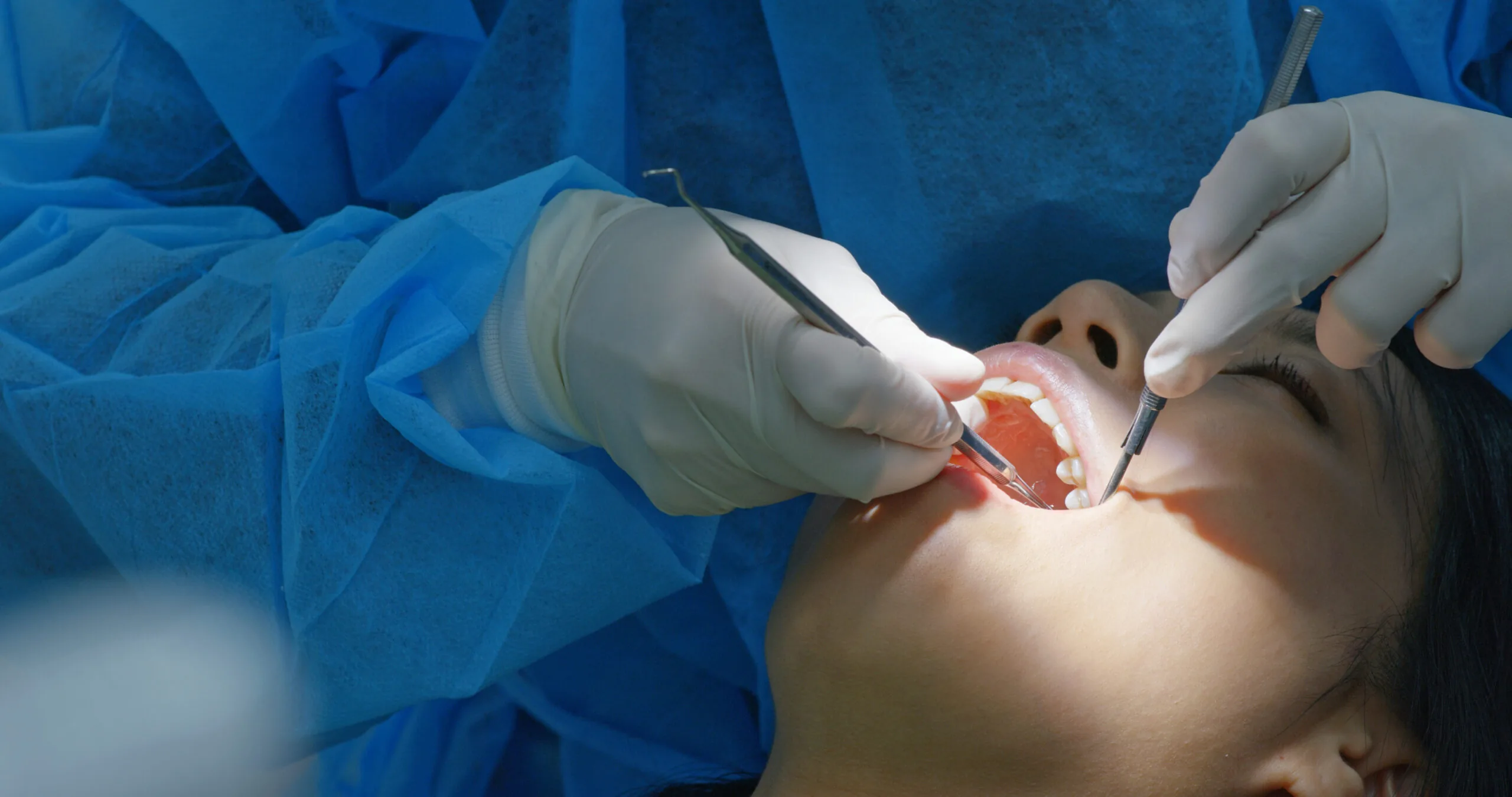
Modern surgical dentistry strives to ensure that every intervention is as gentle as possible. Patients expect not only high-quality results, but also minimal trauma, a short recovery period, and comfort at every stage of treatment.
At the VEDA STOM clinic in Tashkent, minimally invasive surgery is the standard of care. This approach allows us to perform complex procedures carefully, precisely, and safely, significantly reducing tissue stress and improving the prognosis.
What is minimally invasive surgery?
Minimally invasive surgery is a technique aimed at minimal intervention in tissue.
The goal of the method is to perform the necessary surgery while preserving as many natural structures as possible, reducing trauma and accelerating the healing process.
Basic principles of minimally invasive surgery:
— minimum volume of incisions;
— work mainly within soft and bone structures without unnecessary trauma;
— use of micro-tools;
- precise planning through digital protocols;
— maximum preservation of the patient’s anatomy.
This approach is recommended for both simple and complex procedures, including wisdom tooth extraction, resections, bone grafting, and complex surgeries.
What technologies are used in VEDA STOM?
Minimally invasive surgery is impossible without modern instruments and accurate diagnostics. The clinic utilizes a range of technologies that make interventions safe and predictable.
3D diagnostics and digital planning
Before the operation, a three-dimensional tomography is performed, which allows for an assessment of all the anatomical features of the intervention area.
3D imaging helps:
- accurately determine the position of the roots;
— assess the volume and density of bone tissue;
- see the location of important anatomical structures;
— predict the course of the operation in advance.
Digital planning significantly reduces the risk of complications.
Microsurgical instruments
We use thin, high-precision instruments that allow us to work in confined spaces and perform manipulations carefully, with minimal tissue trauma.
Gentle techniques for working with soft tissues
Doctors use modern plastic surgery protocols, make minimal incisions, and perform precise sutures, which accelerates regeneration and reduces swelling.
Minimally invasive bone interventions
When bone tissue restoration is necessary, techniques are used that allow for the preservation of as much natural structure as possible, the use of a precisely dosed volume of material, and the provision of its stable integration.
Benefits of minimally invasive surgery for the patient
- Minimal trauma
A gentle approach reduces tissue damage, which reduces postoperative pain, lowers the risk of complications, and promotes faster healing.
- Fast recovery
Thanks to the reduced volume of intervention, the patient returns to his normal rhythm of life more quickly.
Swelling is minimal, and discomfort goes away much faster than with classical methods.
- High precision of treatment
Digital planning provides the surgeon with a detailed understanding of the situation, making the intervention more predictable and reducing risks.
- Best aesthetic results
Minimal incisions and careful soft tissue management ensure a more aesthetically pleasing appearance after healing—especially important for smile-zone surgeries.
- Preservation of natural tissues
The less trauma to bone and soft tissue, the better the functional results and the higher the long-term prognosis.
What dental surgeries are performed minimally invasively?
At VEDA STOM, this approach is applied to virtually all surgical procedures. These include:
— tooth extraction of any complexity;
- removal of wisdom teeth;
— treatment of cysts and granulomas;
- root apex resection;
— preparation for implantation;
— sinus lifting using gentle protocols;
- bone grafting;
- soft tissue plastic surgery;
— installation of implants with minimal trauma.
In all cases, an individual strategy is applied based on diagnostic data and the patient’s anatomy.
Why Tashkent patients choose VEDA STOM for surgical treatment
Experience of specialists
The clinic's surgeons have many years of experience, allowing them to confidently perform surgeries of any complexity.
An integrated approach
Each case is considered individually: medical indicators, tissue condition, anatomical features, and the patient’s wishes are taken into account.
Modern technologies
3D diagnostics, digital planning, microsurgical instruments – all of this is used in everyday practice.
Comfort and safety
Modern methods of anesthesia are used, allowing the intervention to be performed calmly and painlessly.
Monitoring at all stages
The patient receives recommendations, follow-up examinations and support until complete recovery.
Minimally invasive surgery is a modern standard of dental treatment that combines efficiency, precision, and comfort.
At VEDA STOM, this approach is the foundation of our surgical practice, from diagnosis and preparation to postoperative follow-up. This ensures patients receive high-quality treatment, minimal discomfort, and predictable results.